What Is a Lay Bet on a Betting Exchange?
A lay bet is a wager that an outcome won't happen — letting you act as the bookmaker on a betting exchange. Here's how laying, liability and trading work.
Sports markets. Active offers appear first.
Choose a country to browse its offers.
Most bettors learn to bet on a team to win or on a points spread, but there is a third option that quietly offers some of the best value in the market: Asian handicap betting. Popular across football and increasingly used worldwide, it removes one of the three possible outcomes and can give you better odds and a safety net. Once it clicks, many bettors never go back.
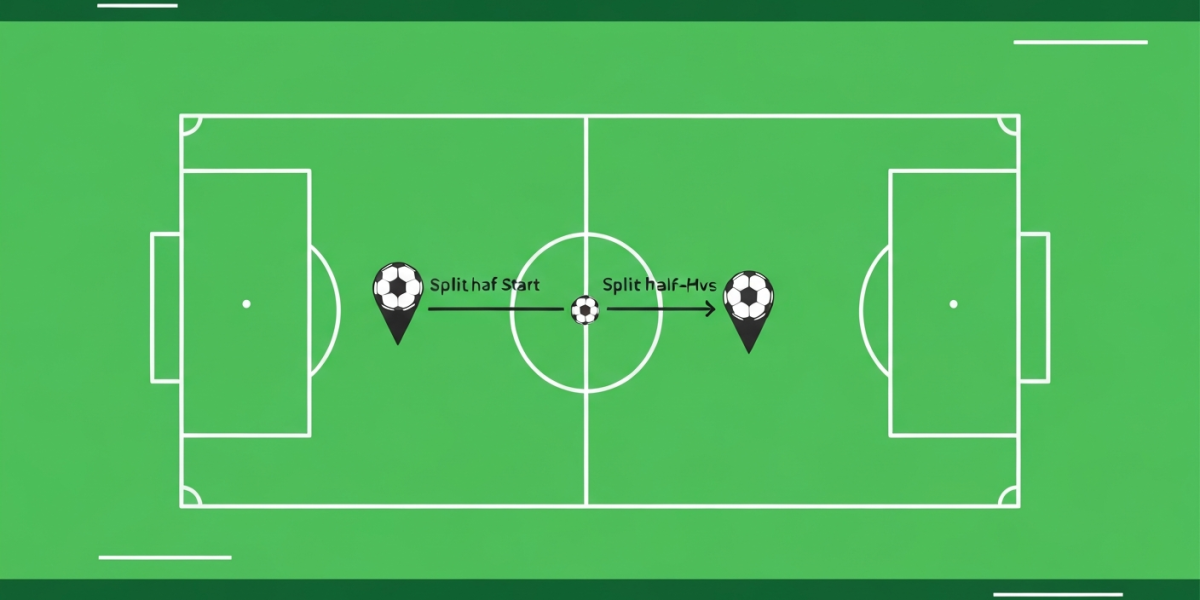
In a normal football match, there are three possible results you can bet on: home win, away win, or draw. That draw option splits the market three ways and works against you. Asian handicap betting eliminates the draw as an outcome by giving one team a virtual head start (a handicap). With only two possible results left — your team covers the handicap or it does not — the odds on each side sit closer to even money, and the bookmaker’s margin is often lower than on standard markets.
One team is given a handicap expressed in goals, which is applied to the final score. A favourite is handicapped with a minus figure (they must win by more than that margin), while an underdog gets a plus figure (a head start). You then apply the handicap to the real result to see if your bet won.
For example, if you back a team at −1 and they win 2–0, subtract one goal: the adjusted score is 1–0, so your bet wins. If they win exactly 1–0, the adjusted score is 0–0 — a tie on the handicap — and your stake is refunded.
Asian handicaps come in three formats, and the fractions are the key to their flexibility:
The quarter lines are what let Asian handicaps fine-tune risk so precisely.
A handicap of 0 — called level ball or “draw no bet” — is the simplest Asian handicap. You back a team with no head start; if they win, you win, and if the match is drawn, your stake is refunded. You only lose if your team loses. It is a great entry point for understanding the concept and a useful market when you fancy a team but want protection against a draw.
Asian handicap betting appeals for several reasons. The odds are usually closer to even and the margins lower, offering better value than three-way markets. The stake-refund and half-win mechanics reduce risk, softening the blow of a narrow miss. And it lets you back a strong favourite at a more rewarding price by asking them to win by a margin, or support an underdog with a cushion. For anyone who has watched a well-judged bet die to a last-minute equaliser, the built-in protection is genuinely valuable.
Suppose you back the underdog at +1.5. They need to avoid losing by two or more goals. If they win, draw, or lose by a single goal, your bet wins. Only a two-goal defeat loses it. That wide margin for success, at fair odds, is exactly the kind of value that makes Asian handicaps so popular with thoughtful bettors.
Asian handicap betting removes the draw by giving one team a goal head start, leaving two outcomes at sharper odds. Whole-goal lines can push, half-goal lines are win-or-lose, and quarter-goal lines split your stake for finely tuned risk. With lower margins and built-in protection against narrow results, it is one of the smartest markets available — well worth learning if you take your football betting seriously.

A lay bet is a wager that an outcome won't happen — letting you act as the bookmaker on a betting exchange. Here's how laying, liability and trading work.

A bet builder combines several outcomes from one match into a single high-odds bet. Learn how bet builders work, correlation, and how to build smarter.
Fractional odds like 5/1 and 2/5 confuse many bettors. Here's how to read them, calculate returns, and convert them to probability.