What Is a Lay Bet on a Betting Exchange?
A lay bet is a wager that an outcome won't happen — letting you act as the bookmaker on a betting exchange. Here's how laying, liability and trading work.
Sports markets. Active offers appear first.
Choose a country to browse its offers.
The UFC runs 40+ events per year, generated $1.5 billion in revenue in 2025, and in 2026 bet365 replaced DraftKings as the official UFC sportsbook partner. The sport’s popularity has made UFC betting markets more liquid, more researched, and simultaneously more profitable for disciplined bettors who do the work. This guide covers every core market, how to analyze fighters, and where the real edges live.
UFC uses American moneyline format:
The sum of both implied probabilities exceeds 100% — the difference is the sportsbook’s vig. For -200/+165, implied probabilities sum to ~105%, representing ~5% house edge. Finding fights where your calculated probability exceeds the implied probability is finding value.
MMA is a chess match of styles. Wrestlers against poor takedown defenders, elite strikers against flat-footed opponents, BJJ specialists against fighters who’ve shown poor defensive grappling — these stylistic advantages are the core of fight analysis. Understand the specific combination: not just “he’s a wrestler” but “does this specific wrestler’s takedown style work against this specific opponent’s defensive wrestling.”
Reach advantage, height, and frame all matter. A 4″ reach advantage allows a striker to land while staying safe. Fighters who naturally carry more muscle (potential to be drained by weight cuts) versus those who are natural to the division perform differently under fight conditions.
Watch the last 2–3 rounds of a fighter’s recent bouts. Does their pace drop? Do they get sloppier with their striking defense? Fighters who gas in 5-round fights are prime targets for live betting opportunities after Round 2. Also note finishing rates — a fighter who finishes 70% of opponents is a strong Method of Victory candidate.
Fighters who endure extreme weight cuts often show diminished power, slower reaction time, or poor cardio in the early rounds as their bodies recover. Watch weigh-in footage for signs of severe dehydration — sunken eyes, extreme lethargy, or struggling to make weight on the first attempt.
Main card fights receive the most oddsmaker attention. Prelims are priced with less scrutiny. A bettor who specializes in specific weight classes and studies undercard fighters can hold a consistent edge that doesn’t exist in headliner markets. This is where the most consistent soft lines appear.
Favorites win ~65% of UFC fights. However, underdogs at +900 or higher have historically returned 156% ROI on blind bets. The MMA market consistently overprices name recognition and appearance of dominance over opponent quality and stylistic matchup. Calibrated underdog bets — not blind backing — are one of the most profitable strategies in the sport.
Public betting heavily skews Overs in MMA. People want to watch long, competitive fights. This systematically inflates Over lines beyond true probability, particularly on main card bouts with high-profile fighters. Targeting style matchups that point to early finishes — a dominant wrestler against a poor defensive grappler, or an elite striker with a history of quick KOs against a suspect chin — offers consistent Under value.
To succeed in these markets, combine pre-fight analysis with specific fighter patterns:
Live betting between rounds is the highest-leverage UFC market for prepared bettors. Odds shift dramatically after significant events — a knockdown, a submission escape, visible fatigue. The market overreacts to single moments. A fighter who survives a round-1 knockdown attempt and returns looking fresh may actually be the better bet at their live price.
Rules for live UFC betting: pre-plan the prices where you’d bet each fighter at, stick to 1–2% of bankroll per live bet, and never chase a bet that didn’t hit your target price. The speed of live UFC markets punishes impulsive decisions.
With 40+ events per year, the volume of UFC opportunities creates constant temptation to over-bet. Structure prevents it:
Key factors for UFC specifically:
UFC betting rewards specialists. Deep knowledge of one or two weight classes, combined with disciplined line shopping, strict bankroll management, and selective live betting, creates a sustainable edge over casual bettors and even some oddsmakers. Focus on prelims, target underdog value, exploit total Unders, and use live betting purposefully. The fight calendar never stops — your process shouldn’t either.
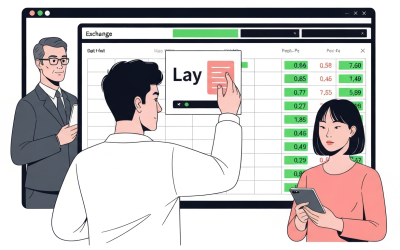
A lay bet is a wager that an outcome won't happen — letting you act as the bookmaker on a betting exchange. Here's how laying, liability and trading work.

A bet builder combines several outcomes from one match into a single high-odds bet. Learn how bet builders work, correlation, and how to build smarter.
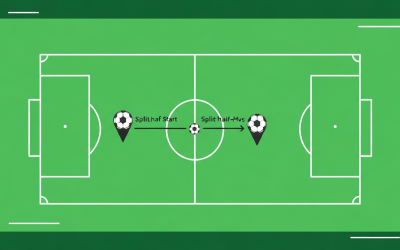
Asian handicap betting removes the draw and offers sharper odds. Learn how the handicap works, whole/half/quarter lines, and why it can beat standard markets.